Destination Weddings · Before the Wedding
Does your destination wedding need a second photographer?
Match the photography team to your locations, overlapping events, and the moments you want remembered.
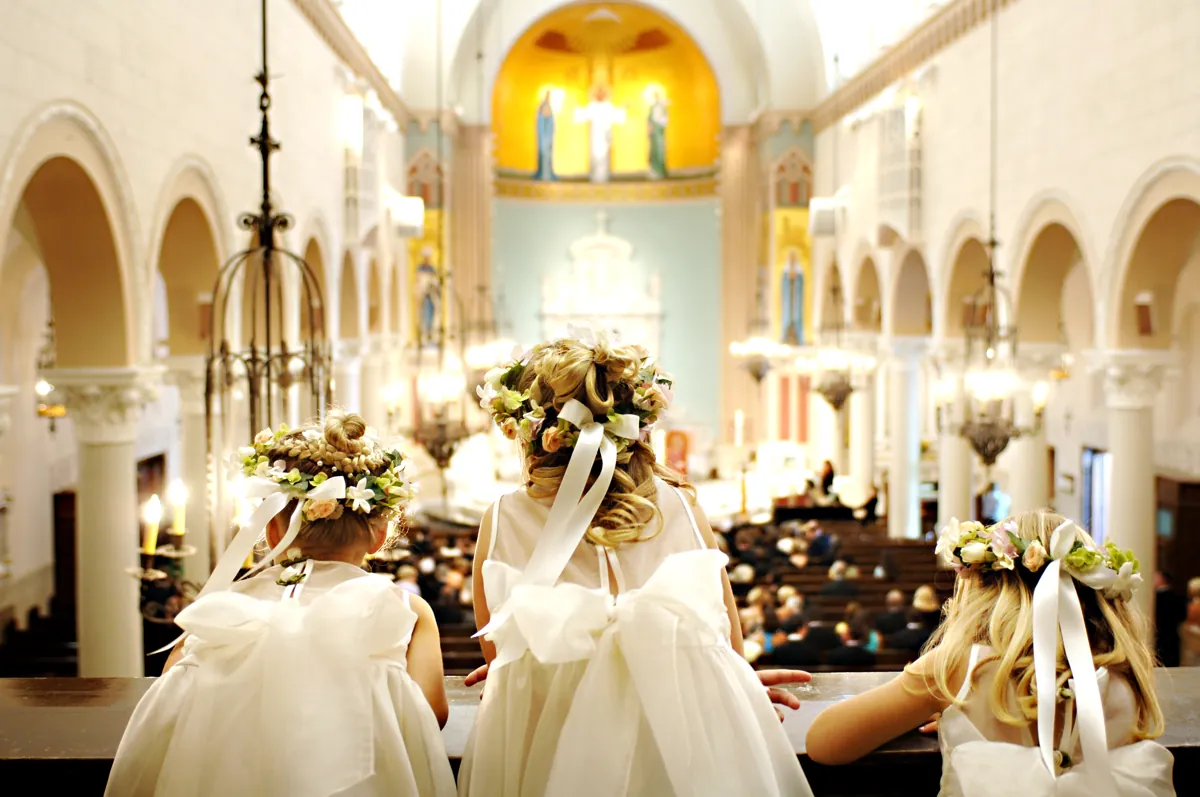
A destination wedding often has several stories happening at once: one partner getting ready at a villa, another at the hotel, guests arriving, and a reception space receiving its final touches. A second photographer can help tell those parallel stories. The useful question is where that second perspective will matter in your actual plans.
Plan the team event by event
The wedding may need a different arrangement from the welcome dinner or farewell brunch. Ask which photographers will attend each event, how responsibilities are divided, and whether travel between venues changes the coverage you need. A multi-day booking does not automatically mean two photographers are present throughout.
Your planner can help identify the overlaps: a room ready to photograph just as family portraits begin, or guests arriving while the couple is still preparing. A coordinated plan gives each photographer a purpose. It also helps the final collection feel like one story, rather than two unrelated sets of pictures.
That is the best place to begin this decision. Look at your wedding plans and ask what will be happening at the same time.
Think about moments that overlap
While one photographer is making family portraits, another can notice the laughter just outside the group. While one photographs guests at cocktail hour, another can photograph the reception room before everyone enters.
The processional is another example. In my book, I describe photographing the anticipation behind the scenes while a second photographer covers the view from the front of the aisle. The same event contains more than one story.
Separate getting-ready locations can make another photographer especially helpful. But the value isn't only about distance. Even in one place, two people can notice different reactions.
Ask how the team works together
Two cameras don't automatically create a better collection. What matters is a coordinated team with clear responsibilities.
Ask your lead photographer how they divide the day. Who will be with each partner before the ceremony? Who handles family groups? Who watches the guests while the other photographs the room?
You should also understand who chooses and edits the final photographs. The collection needs to feel coherent, even when it includes more than one perspective.
Match the coverage to the wedding
A small wedding with one location and a simple schedule may be well served by a photographer who works confidently alone. A larger celebration, multiple locations or overlapping events may benefit more from a second person.
Some photographers include a second photographer in their service. Others offer one separately. Ask what the proposal includes and how many hours both photographers will be present. If the budget is tight, discuss whether a shorter period of overlapping coverage would serve the most important parts of the day.
There isn't one answer for every wedding. Ask your photographer to explain the benefit in terms of your actual plans.
Look beyond the number of photographs
The goal is a more complete story, not simply a larger gallery. Another angle of the same moment can be valuable, but so can a photograph of someone you didn't realize was watching.
A useful question is: “What would the second photographer be able to capture while you are occupied elsewhere?”
The answer will tell you more than a promised image count. Decide what matters most to you, then choose the coverage that gives those moments attention.